Embracing our communities

It seems like the Economist Intelligence Unit (EIU) has given the most liveable cities list a miss this year.

In saying that, however, last month a headline of sorts got my attention. While it seems as though this year we may be going without a final list of most liveable cities, but instead Time Out have released a list of best neighbourhoods, including some very well-known areas of a particular city have been ranked to compensate.

Upon further research I learned that it wasn’t the first year this list had been published, just the first year I was alerted to it.

I find it difficult to pinpoint many of these neighbourhoods outside of Australia. Much of the time while travelling, I do not give a lot of thought to the area I am in, but remember things like landmarks and street names and get so caught up in where I am that I forget to take notice of the neighbourhood name. I am confident enough to say that out of the top 30, I have visited only 4, when I have been to many of the cities these areas are located in! It is highly likely that I have been to a few more, without realising it, which only goes to show that maybe I should pay more attention while travelling. Though I do have to say, getting caught up in the moment is a great way to discover new places too. Retracing your steps to find on return trips is even better; it’s often quite a challenge, which is all part of the fun of it!

Determining factors

Earlier this month I stumbled across another similar list, this time of ‘The best cities in the world’ with populations of more than one million. This list ranks cities based on 6 metrics including Place, Product, Programming, People, Prosperity and Promotion. There were 5 Australian cities featured in the list, which makes me happy to be living here right now, and generally all the time (except when I am longing for an overseas getaway).

Similar to this blog post from last year, and also earlier this year when I looked at the need to redefine liveability in 2020, I wanted to look at some of the determining factors for these kinds of lists. Ranking factors for the World’s coolest neighbourhoods list include neighbourliness and how communities come together in times of crisis. Both of these have truly been tested in 2020, and while this post isn’t intended to point out the countries who have done really well in that aspect, I think strong, yet empathetic leadership plays a huge part.

People and community

These newly discovered lists are much more modern, which is what I was talking about in my post last year. I suggested that we needed an acknowledgement of the people who make a community what it is, and an appreciation of its differences.

The COVID-19 pandemic has taught us how to better live together, and share common spaces. It has taught us to find new ways to interact by embracing digital technologies that were already at our fingertips. Online meetings, online shopping, online food orders, you name it, you can do it with a device that fits comfortably in the palm of your hand.

I disagree that this has contributed to a fragmented society or a disconnected community. Experiencing something as challenging as we have done this year has not been an easy feat, and as stated in CNN travel magazine, it really is “cool to be kind”, and the community you are in plays a big part in that.

Consuming energy

I must admit that lately I have been thinking a lot about our carbon footprint and the energy consumed around the world during COVID, including the increase in technology consumption largely due to these new ways of connecting and more time spent at home. While pollution may have reduced somewhat, we are still relying on an instantaneous connection across all of our devices, which we use to work, entertain, shop and buy food pretty much all day every day. I am interested in hearing your thoughts on this, and plan on covering the topic on a deeper level in next month’s blog post by looking into how the energy consumption in 2020 compares with the year prior.

Until then, stay healthy, stay kind and stay curious.
Simplicity

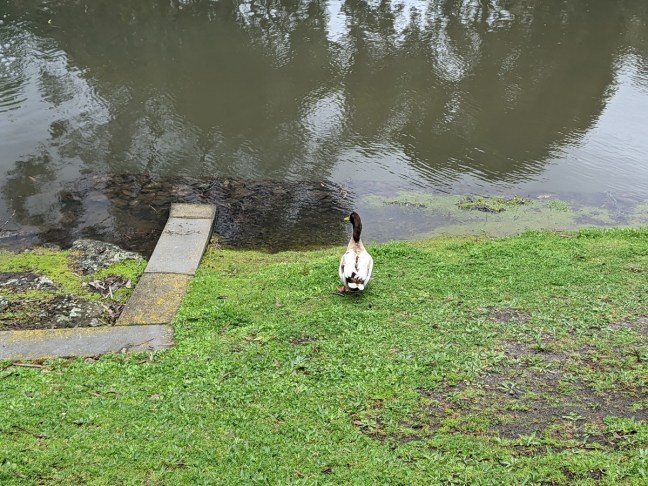
Duck by the water

My weekends for the past 6 months have generally consisted of the same 4 things:

  1. Walking the dog,
  2. Exercising with friends and/or family,
  3. Netflix; and
  4. Dining at home.

And I have just about loved every minute of it!

Sure, things were made easier when restrictions were somewhat eased along the way and we were allowed to meet up with friends for a walk who didn’t necessarily live close-by, and I was very grateful for the Premier’s recent announcement regarding opening up, but I have generally been enjoying my time at home.

A breakdown of my last weekend in total lockdown (for now)

Last weekend was a long weekend here in Victoria; we had Friday off due to it being the AFL Grand Final holiday. The Grand Final was played on Saturday evening for the first time ever outside of Melbourne, and to be honest, I don’t know why this isn’t an occurrence every year! There are definite perks to sharing the footy chaos with the other states.

We spent Saturday night at home (where else was there to go?) and cooked up a feast. This included homemade sausage rolls, chicken tenders, potato salad, lots of cheese, bread and biscuits and a few other little bits and pieces. I really enjoy dining out, but this was so nice, and so easy, and we got to enjoy it from the comfort of our own home, so lucky us.

On Sunday I met a good friend for a walk and completed my 10,000 steps by 11am, which was definitely an achievement considering I had not even been for a run! Masks aside, as we strolled into a café to buy a coffee, I felt a sense of normality.

Another way mine and many other households have been spending our time is by watching Netflix. We are constantly finding hidden gems, some of which I have been referred to or heard about, others that we have stumbled across on our own. Our show of the moment is Fargo, an American dark crime series. It’s quite gory, but very entertaining.

My other main weekend activity (which is actually more of a daily feat), is walking the dog, something that my partner and I absolutely love doing. On the weekend we met a dog trainer in the park, who was amazing. She didn’t mind when our large Groodle jumped all over her, and we watched attentively as she eventually convinced him to stop and lay at her feet. We have a few new tricks to try, and we are committed to teaching him, something which we should have done when he was a puppy. In a pre COVID world, it seemed there was so much to do and not enough time, but now we realise that there is actually plenty of time, it just depends what we choose to do with it.

Changes and considerations

Now that restaurants have opened to diners, retail has opened to in-store customers and we are able to visit friends and family two adults a time, it seems our weekends are filling up quickly, but as I have mentioned before, I do not want these newfound ways of spending my weekends to disappear.

I don’t think people should hurry back to their pre COVID lives, without realising that at least one aspect to their life actually may have improved during our extended isolation. I think it’s important to at least take the time to consider how you can really make the most out of your weekends, while making sure you don’t try to take on too much, and remember to factor in time for yourself.

I know I will be taking the time to continue doing less and enjoying more, absorbing as much simplicity as I can.

Redefining liveability in 2020

In 2018 I wrote a blog post about the top 10 most liveable cities in the world according to the Economic Intelligence Unit (EUI) and reasons that I found this list questionable. I referred to the lack of separation between developed and developing cities, and that it seems somewhat biased that one is expected to compete against the other.

The 2019 list fared similar results to the year prior, with the same cities ranked as number 1 and 2 (Austria, Melbourne) according to factors including stability, healthcare, culture and environment, education and infrastructure, which I agree are all very important factors.

But I do wonder how the 2020 list will play out, if it is ever released?

With COVID-19 having affected and still affecting most of the world, should our cities’ responsiveness to deal with a global pandemic also be considered?

The 2020 list

It could be argued that the entire purpose of a city and its liveability should be redefined.

After ranking as number 2 for two consecutive years, how will Melbourne, Australia fare in future lists? No longer the epicentre for work, dining and entertainment with harsh restrictions in place on and off throughout 2020, the city of Melbourne has reportedly been a much quieter place.

Will the 2020 be the year that the prerequisites are adjusted in light of the pandemic?

We are in such a strange time, so many people’s lives have been turned upside down (whether though loss or major disruption) or affected in some other way (weddings cancelled, travel postponed).

Of course, the liveability index won’t take the percentage of people affected by these inconveniences into account, this is well outside of their ranking factors. But it seems that Melbourne is no longer the place that everyone wants to be.

Life in Melbourne

During the past 6 months, it has become clear to most Melburnians that we are most comfortable when we live in close proximity to:

  • Nature, parklands or walking tracks
  • A supermarket
  • Healthcare

This year we have finally been pushed to realise the full potential of having many services available to us online. It has been said that the world has jumped forward 10 years so that we can cope with the pandemic and luckily, we can get the majority of what we need this way relatively quickly and easily.

What next?

Whether the aftermath or 2020 means packing up and leaving the state, moving back in or away from parents or staying put when the end of the pandemic is in sight, we will have to wait and see.

There has been a lot of chatter about getting out of Victoria, escaping to a place with the supposed luxury of ‘being free.’

It might seem like a good idea right now, but isn’t the appeal of a big city what drew many of us here in the first place? But now it seems that ever since we started working from home, many of us have re-evaluated our lives and what is important, realising that we can work like this from anywhere.

I have mentioned before that I hope that businesses learn from this, put employees first and find a way for their staff to continue working from home if that is what they want.

So should the 2020 (or 2021) list include cities that have demonstrated a resilience and a capacity to bounce back?

I think so. And will this list include Melbourne? Probably not.

I will be very interested to see if the list is released at some point this year, a year of all kinds of firsts for many of us.

Aeroplanes, accuracy and accomplishment

Promise in the desert

In news last month, the final Qantas 747 aeroplane flew its last flight in Australia, to the Californian desert, to rest amongst other retired planes in a plane graveyard. This event occurred six months ahead of schedule due to the decrease in long haul flights as a result of travel restrictions imposed by COVID-19. On its departure, the plane left a memorable mark, drawing a flying kangaroo in the sky with the path it flew on its way out.

This was a new concept to me; I had never heard of retired aeroplanes being abandoned in the desert before. So, I did some research on ‘airplane graveyards’ and discovered that the Mojave Desert in California is one of many plane graveyards used for this reason because of its dry climate. Apparently, it takes longer for the planes to rust here before their parts are reused or they are melted down – there is promise in the desert.

Wacky weather

In other news, it has been determined that global weather forecasts during the COVID-19 period (so most of 2020), have been ‘less accurate’ due to a reduction in the number of international flights. It turns out that planes help to predict the weather by measuring outside air temperature, humidity, air pressure and wind. This inaccuracy of data is likely to influence the ability of scientists being able to predict extreme weather events and the stability of the electrical grid. I haven’t been taking too much notice of the weather forecast lately, except for occasionally checking the radar for clear skies so that we can walk the dog without being rained on, and the on the spot forecast has been pretty accurate.

Last weekend we were out for a walk, when my husband observed that the weather was similar to a cool day in Taipei, Taiwan. I looked around and saw the light fog and still trees and felt the cool air on my cheeks and agreed, although we have never been to Taipei in Winter. Winter is almost over here in Australia; and being confined to our homes has meant that it has gone by without affecting us too much. We haven’t found ourselves caught in a storm without an umbrella, hurrying home from the train station when it’s dark, or watching the rain fall from up high in our office towers. Instead we have been venturing outside during the day to walk the dog or go for a run, but rather than being restricted by a tight schedule (other than the one whole hour we have to spend outside).

Challenge yourself

As the days (slowly) become longer and the air warmer, everyone in the world is hoping for good news. Scientists have been doing all that they can to bring an end to this catastrophic disease, and although some are saying that there there may never be a vaccine, there will be a way to beat this. In the meantime, we need to absorb the information around us without getting overwhelmed, and stay as healthy as possible, both physically and mentally.

Now is a great time to challenge yourself with a new hobby. I have rekindled my love for baking and taught myself to sew. I have been keeping myself busy on weekends and between these newfound hobbies and spending time outside with the dog, there hasn’t been much time for anything else. I don’t know how I managed to squeeze so much into my weekends before lockdown; but I do know that when this is all over, I’m going to make an effort to slow the hell down.

If we can appreciate the things that are close to us, and challenge ourselves with new ideas we will be much more likely to feel accomplished. It’s in our nature to crave satisfaction and if this can be fulfilled by learning something new, why not put our minds to the test?

Through my dog’s eyes

I often find myself wondering what a day in the life of my dog would be like.

Pre-pandemic, he would spend his time outside in the backyard or curled up on his bed just outside the door but since we have started working from home, he has been inside a lot more. He is great company and having him so close by gives us an excuse to get up from time to time to give him a scratch behind the ears or a rub on his belly. Each night when we go to bed, he will quite happily trot off to the laundry which is where he sleeps. He is now used to sleeping inside, which we are pleased about because it was either that or being woken up at 5am each morning with him barking frantically as the resident possums ran back across our fence.

For a few weeks in June and July, restrictions eased somewhat in Victoria (although cases were still on the rise, they were manageable), and we found ourselves venturing out from time to time. If we went to visit a friend or pick up something from the shops our dog would play up and bark on and off until we returned home. He has a loud, deep bark and he gets more anxious/energised/excited at night-time so it will take him a while to get used to the way things were prior to the pandemic.

This virus moves quickly and now Melbourne is back in lockdown. As the daily rise in cases tipped out of control, the risk of widespread trauma as seen in other countries across the world was too real.

So, we continue the routine of our three times daily walks and long naps inside.

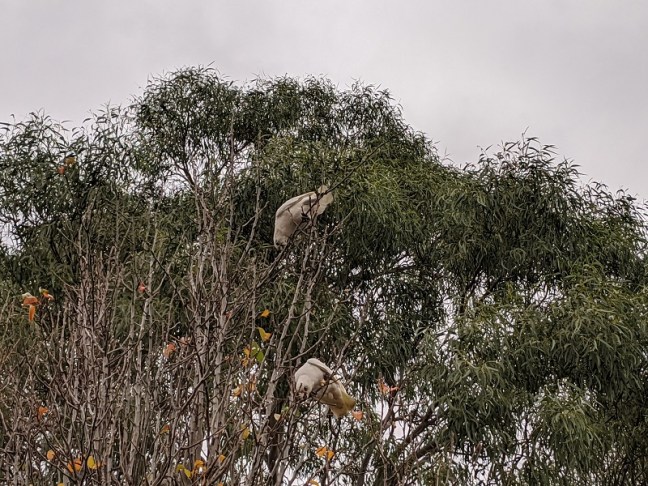
The other morning, I heard him scramble hurriedly off the raised platform he sits on under the deck, and I went outside to see what had caught his attention. He was bounding across the grass, barking playfully, looking up. I saw the flapping of white and realised that he had been observing some cockatoos that had made themselves at home on our roof and had since moved over to our pear tree. They were perched high up in the branches and were quite happily maneuvering themselves down the twigs using only their beaks and claws, as they tumbled downwards. My dog and I watched, entertained.

I could hear more squawks around me so looked up and saw at least 5 others perched in the bigger tree just outside of our fence line. We had been listening to them since earlier in the morning, lying awake in bed so it was nice to put a face to the commotion. I knew that cockatoos could somehow sense when rain was coming, and my weather app told me that rain was indeed on its way. We watched them fly away as a group, moving on to another house to let them know the rain was coming before heading inside to make breakfast. Upon further research I learned that this belief was an old farmers tale when they were hopeful of rainfall, and that this was only the case for black cockatoos.

So there you go.

As we enter the second week of a 6 week lockdown (at least), I know I have more mornings like this to look forward to, and more time to appreciate the many wonders of nature through my dog’s eyes and my own.

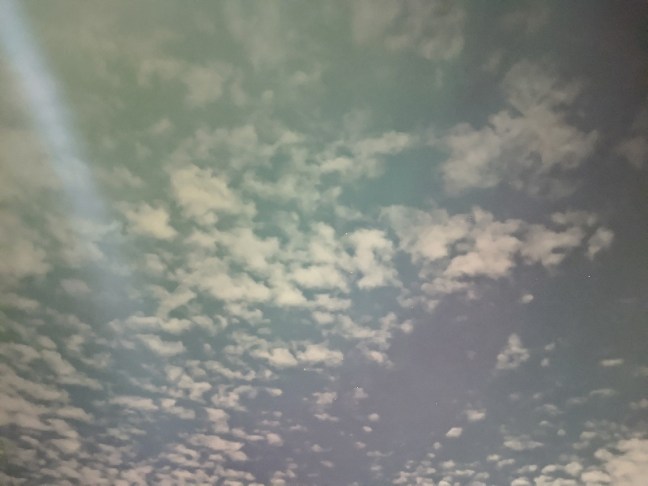
Purple clouds in a dark sky

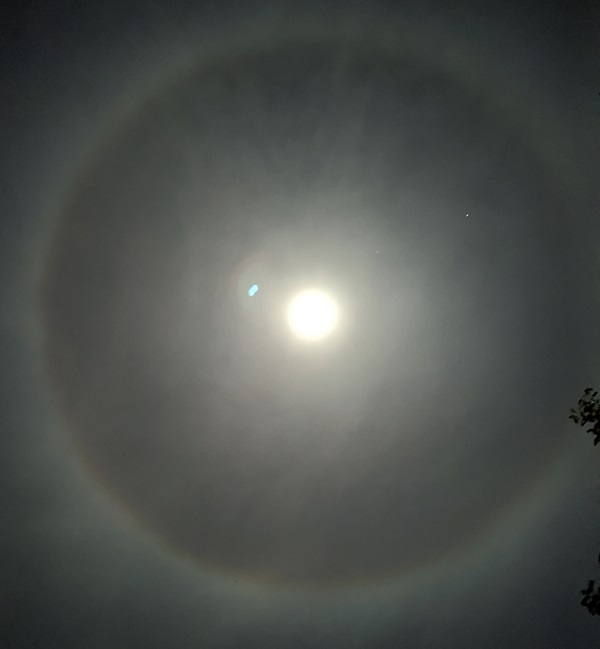
I have been fascinated by the moon lately. It is winter here in Australia, and the beginning of the eclipse season, which I haven’t paid much attention to in the past. There have been some chilly, but beautiful clear nights over the past few weeks but I have gotten into a habit before I go to bed each night, of stepping outside in my dressing gown and Ugg boots to look up to the sky. For a few nights the other week I could see a full moon, glowing in all its splendour through a fine mist of clouds. And one night the moon was setting off a luminescent ring which surrounded it, which I had never seen before. It was majestic. Other nights it is just purple clouds in a dark sky.

As I have shared in previous posts, working from home has allowed me to focus on what I would rather be doing with my day; spending time with my husband and dog, exercising, getting things done around the house and writing. There is nothing better than letting the creativity flow, following my fingers with my eyes as they dance around the keyboard, out of inspiration not out of necessity.

I also feel that being at home more has allowed me to be more in tune with the news and what’s going on around me. Sure, it was easy enough to have a quick glance at the morning news and scroll through my Twitter feed, but having time to actually focus has made me realised what a big part of my life the news has been lately; and how easy it is to get caught up in it.

Along with headlines revealing alarming Coronavirus facts and figures on a global scale, and news of riots and protests and upheaval, earlier this month there was some particularly good news in Victoria, Australia. An autistic teenager who had been missing for over two nights in bushland was found. It was so good to hear that he was finally safe and would be returning home. I also thought about the family and everyone involved in the rescue and how thankful everyone was to hear a good news story, especially when there is so much craziness in communities everywhere right now. It also drew some much-needed attention to autism and life on the spectrum. Would William ever share the full story about what happened on those cold nights? This rescue mission has shown us that anything is possible.

In other news, it has been revealed that probiotics may be able to save the Great Barrier Reef. This headline sparked my attention, as the reef is such an incredible ecosystem which as we know, after years of bleaching is being heavily damaged. Apparently, probiotics like those found in yoghurt will be used to restore the reef and help the coral survive when it is prone to stress if the current trial is successful. We can only hope for a breakthrough like this to repair the years of damage brought on by us humans.

One statement I heard the other day has stuck with me… we exist to coexist… an interesting truth in the face of a pandemic. Especially when coexisting is the problem.

Like animals, we humans are linked to a day-night cycle and although our routines may have been majorly disrupted in recent months, we have been forced to adapt and develop new habits.

Right now, I am preparing myself to step outside to look at the moon before I go to bed, when I will allow my mind to refocus and prepare for a new day as my dog and I wonder what tomorrow will bring.

Sunsets and reflection

I am one of those people who is enjoying this time in isolation, particularly with regards to working from home. I get to spend more time with my husband and my dog and as soon as I log off each weekday, I am free to go for a run or do whatever I need to do. I don’t have a 40 minute commute ahead of me, crammed in with a bunch of strangers in the same situation, followed by an hour at the gym, again with sweaty individuals who don’t understand the meaning of personal space, only to get home by 7:30pm, walk the dog and then sit down to enjoy dinner by 8:30 or 9pm.

In saying that, I didn’t used to mind the morning commute. I would often get a seat on the train so had time to sit somewhat comfortably and read the day’s news. I did not mind overhearing conversations that weren’t relevant to me or smiling awkwardly at whoever squeezed aside to let me off the train. We were all in the same situation, on our way to the office, where we would spend the day trapped in a same space with many others who we may or may not be able to tolerate, sometimes able to get outside for a walk around the block at lunchtime, depending on our schedules or the weather.

I thought my day to day was pretty good and I had a routine figured out that worked for me most of the time. I never had any trouble getting out of bed in the morning and was able to challenge myself with new projects at work.

But now, having worked from home for close to three months straight, I am loving my new routine. It is a difficult situation that the world is in, but if we begin to consider the positive impact this could have on workplace flexibility and adaptability (as well as the environmental benefits) when we come out of it, we realise that for many of us working from home on a full time basis is not a bad idea at all. If we can thrive in a familiar environment, why take that away? Why force us into a potentially unhealthy routine, where we are much more likely to suffer fatigue, exhaustion or contract a highly contagious virus?

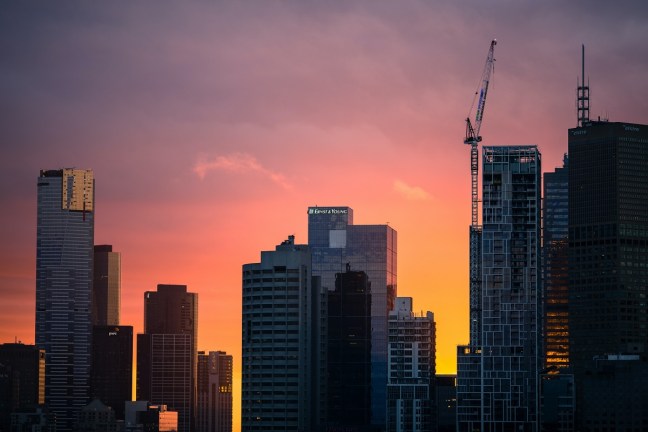
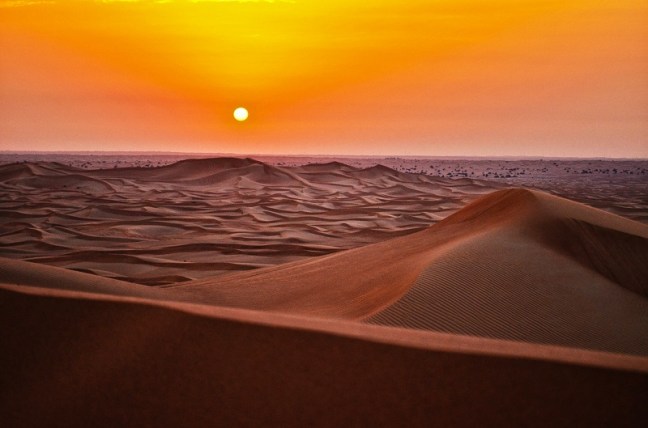
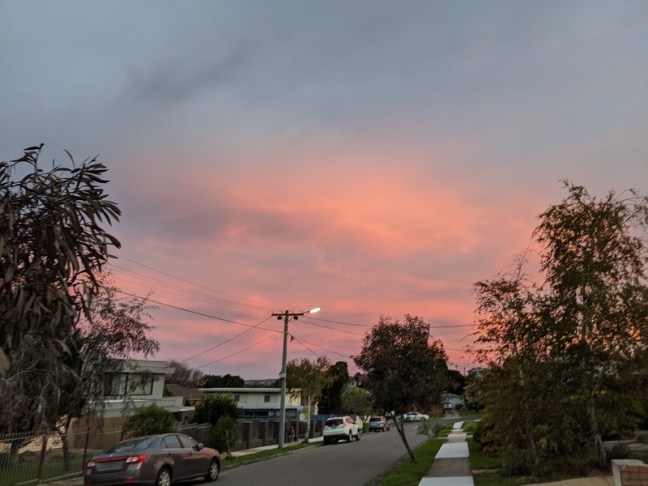
On an evening run last week, I took the time to appreciate where I was and what I noticed around me. The sky was a deep pink colour; it was a gorgeous sunset and I couldn’t help but think ‘red sky at night, sailors delight,’ thinking of the fisher people who may be out on the water the next day and that if the riddle were true, a clear morning would follow. I stopped to take photos which is not something I often do while on a run, but the way that the glow of the sky was soaking into everything that lay beneath it, I couldn’t resist. I had been using a tracker app and surely stopping would not do me any favours in getting a good time, but I was caught up in the moment ‒ something which has not happened at least since the start of lockdown.

It was a good feeling, being so involved in what is going on around me, to not be thinking about anything else, other than how I felt at that time.

This is a dividing time for workforce flexibility, where these new opportunities and emotions are making many of us reconsider our ‘old lives’. Rather than contemplating an eventual return to the office, what organisations should be getting their heads around is the idea of working from home as a continued future practice. If we have adapted well in the current situation, and are better off this way, why should that be taken away?

If you have any thoughts on this topic, please leave a comment below.

Preserving our environment

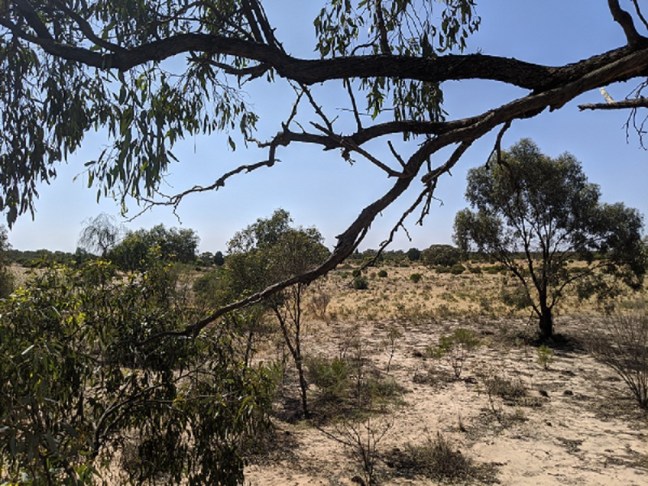
A couple of months ago I went to visit my dad who lives in the bush. By bush I mean total bush – thousands of hectares of it.

My dad and his wife spend a lot of time and effort working on ways to conserve their land. They don’t farm livestock (do chickens count?) and have a pet dog who loves the land as much as they do. Over the weekend we went for many walks around their property, which I had done so many times before, but never really absorbed the information. This time I consciously learnt about the many different things there were to appreciate.

Time to explore

On a walk with my sister, we got to a gate marked ‘Ogyris Gate’. I asked her what it meant, and she told me it as a species of rare butterfly, native to Australia and sighted on their land. I never saw one that weekend but was curious, so I looked into it some more when I returned home and I learned that the Ogyris genoviva is a large purple/blue coloured butterfly, found primarily in east and southeast Australia. Its wingspan is 50mm, and it is most often found in Eucalypt woodland.

Offsetting carbon with native flora

They have planted so many trees over the years – and due to drought, not a lot of them have survived. These are the challenges of living on a property like that, changing weather is inevitable. There is a patch of young eucalyptus trees not far away from their house, covering maybe 30 square metres. The trees are thriving, as they have been planted in a patch of irrigation. They are 30 years old – as old as me, and they still look so young and green, not your average climbing tree that’s for sure.

In their ‘front yard’ (an area of grass at least 2km squared), dad told me proudly that there were 11 different species of native grass. Most evenings, dad would walk around the ‘yard’ and pick out prickle patches, cussing the nasty weeds. I had brought only my casual runners for the weekend, and after every walk, I spent time removing the prickles that had embedded themselves into the soles.

A new perspective

I really enjoy staying at Dad’s place. The feeling of being with nature and (almost) living off the land makes me feel somewhat relaxed. Learning about plants such as Old Man Saltbush and taking time to watch the resident eagle through a telescope is not something that happens often for me back in Melbourne.

It has been a challenging start to 2020, first Australia was affected by the ravaging bushfires (while fires had only recently been extinguished in other areas of the world) and now COVID-19. Some good news is that with the majority of people working from home and travel being restricted, carbon emissions have reduced, and nature is slowly changing. While it has taken a global pandemic for this to happen, it will certainly be interesting to see what we learn from all of this; and how our perspective of the issue may change for the better.

Holiday Here This Year – Phillip Island, Victoria, Australia

While I love travelling overseas, Tourism Australia’s recent campaign for locals to Holiday Here This Year has really resonated with me.

Okay, so I might have a New Zealand trip coming up, but that was booked last year, before our country’s tourism economy dipped significantly, largely due to the bushfire crisis.

Other than New Zealand, my husband and I won’t be going overseas, and have instead planned a few smaller trips in our minds, maybe to Queensland or northern New South Wales. We love the East Coast, so later in the year it might be a nice place to go (we’re thinking Byron Bay or the Sunshine Coast).

A weekend getaway

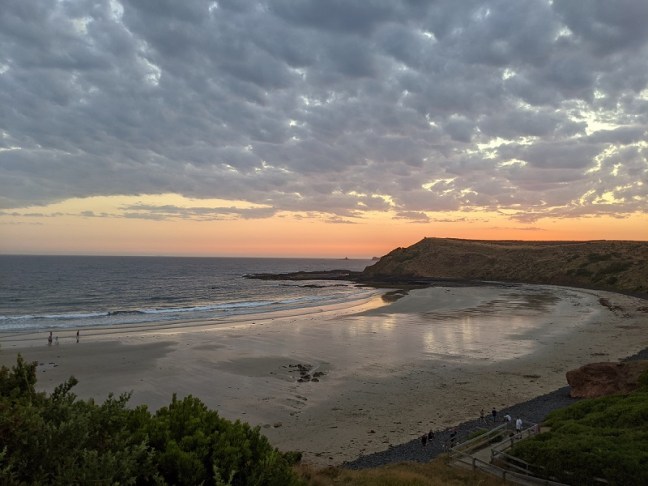
Last weekend, we took a trip to Phillip Island, Victoria. It’s a beautiful place, with so many drawcards, including the pristine beaches (Smiths Beach, YCW, Forrest Caves to name a few), a newly renovated Winery, which we were told was recently bought by 3 young couples who (obviously) know the market really well, food and wine galore (Isola Di Capri, Cape Kitchen, Rusty Water Brewery are some examples) and a laid back feeling of being with nature. It’s a quiet place with clean air and plenty native Australian gum trees, visible from most aspects.

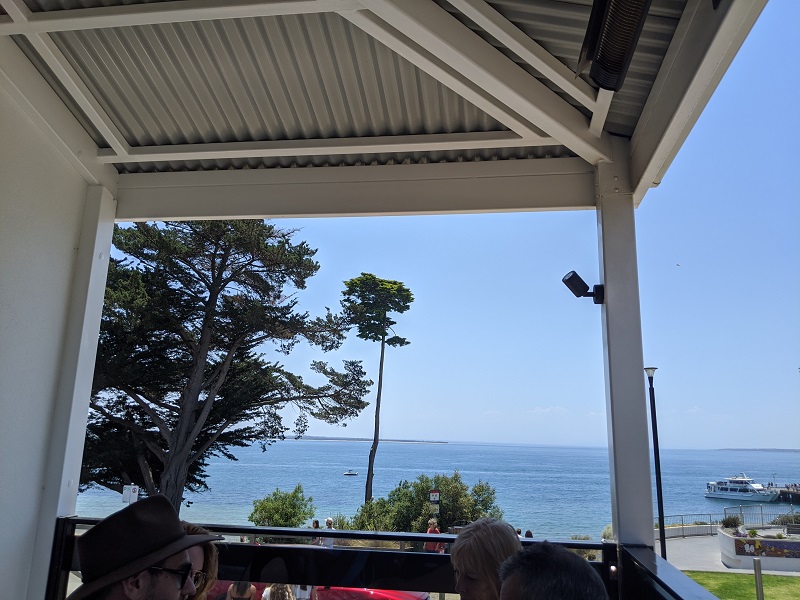
For locals, it is worth spending at least a few days. For overseas visitors, I would recommend spending at least a week. The town of Cowes is right on the coast and is a beautiful spot to grab a bite to eat and a glass of wine, while looking out to sea. Go for a stroll to the end of the pier with a gelato in hand and watch the local kids jump into the water, or look out across the stretch of blue-green ocean to the mainland.

Cowes
Cowes, Phillip Island

It’s only an hour and a half or so drive from Melbourne, or there are buses you can jump on to get there. I encourage locals to take their dog, who is bound to a have a wonderful time splashing in the waves and running along the beach during doggy friendly beach hours in the summer. During the winter months when only the seasoned wet suit clad surfers tackle the rough waves, dogs are allowed on the beach at any time in most places.

Choosing somewhere to stay

I would even recommend staying outside of Cowes, for that real beachside experience. If serenity is what you are after, I would suggest checking the Moto GP calendar, as the side of the island where the track is can get very noisy on race days, but in my opinion is the best side to stay. There are so many houses for rent, many at affordable prices. It’s a great place for a group of friends wanting to have a good time, or a family looking for an escape from city life.

For locals, it’s a small slice of paradise that isn’t too far away, and for overseas visitors, the relaxed vibe definitely make it worth the visit. I should also mention the penguin parade, the chocolate factory, the go karts and the amusement park if you’re looking for more reasons to go. When planning your holiday research which side of the island will suit your needs best, and how far away you want to be from the main town, and you’ll be set.

Please leave a comment if you have anything else to add, I would love to hear from you!

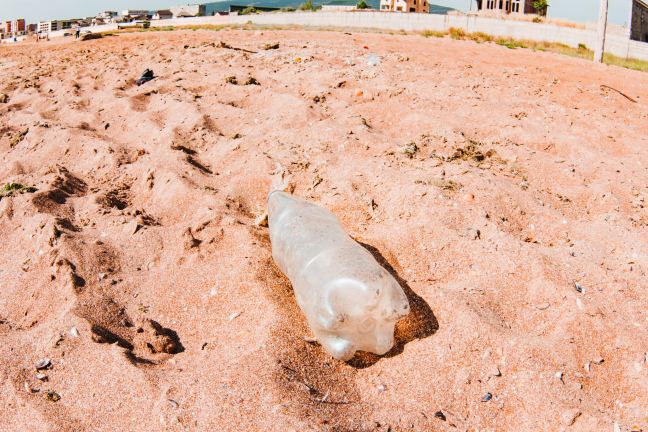
The recycling situation

I don’t know how many people think about waste and recycling on a daily basis, but I know I do and have been doing so more and more lately, as I notice the issue (and the product) around me.

It is a topic I often see on the news, with headlines such as ‘China ban on foreign rubbish leaves recycling industry in a mess’ and ‘Malaysia, flooded with plastic waste, begins sending rubbish back to developed nations’. It’s becoming more prevalent and something really needs to be done about it sooner than later, something that isn’t an offshore solution.

It’s taken me a while to write this because I haven’t been exactly sure what I am trying to say. I think there are a lot of people who don’t have an opinion on the matter because they choose not to think about it or don’t fully understand the issue. But the more that is said about it, the more information there is available and it becomes easier to understand.

It shocked me to learn what Australia has done with our recycling for so many years. I never thought about it as an export market until I heard the news that China was no longer accepting our recycling.  I always thought our recycling was taken to a factory within Australia to be recreated into usable materials. How naive of me!

It’s hard to comprehend that our government isn’t doing more to support local recycling plants, like investing in them, rather than contributing funding to ‘research’ and ‘design’. It is disappointing that today, at least 15 Victorian councils are dumping recycling into landfill, contributing to the global waste crisis, because it is too expensive or difficult to do anything else.

Now I want to talk about the need to educate. If people are aware of the issues around recycling and know what is going on within their local council, they can do more, and will be more likely to help. Find out if your recycling needs to be cleaned, and what is accepted in each bin. There are councils within Victoria who are still sorting, cleaning and transforming our recycling into new products, but there are also some who demand recyclables to be cleaned. These councils may talk of ‘contamination’ in a fear mongering way, possibly because they have cut back on resources at recycling plants, due to lack of government funding. It takes a few minutes to visit your council’s website to find out what can be put in your bins. You would think education campaigns would be seen as a sure-fire way for councils to communicate to the people by getting messages out through digital or television marketing, but you don’t see much of this around.

With this recent bout of federal funding, it appears efforts are being made to do something, but the focus of these efforts is questionable. The more it is raised as an issue, the less our government can turn a blind eye to it.

I would be interested to hear other people’s thoughts on the topic, so please if the issue of waste or recycling ever crosses your mind, feel free to reach out. The more of us there are that are talking about these things, the more likely something will be done about it.